Styling for all body types
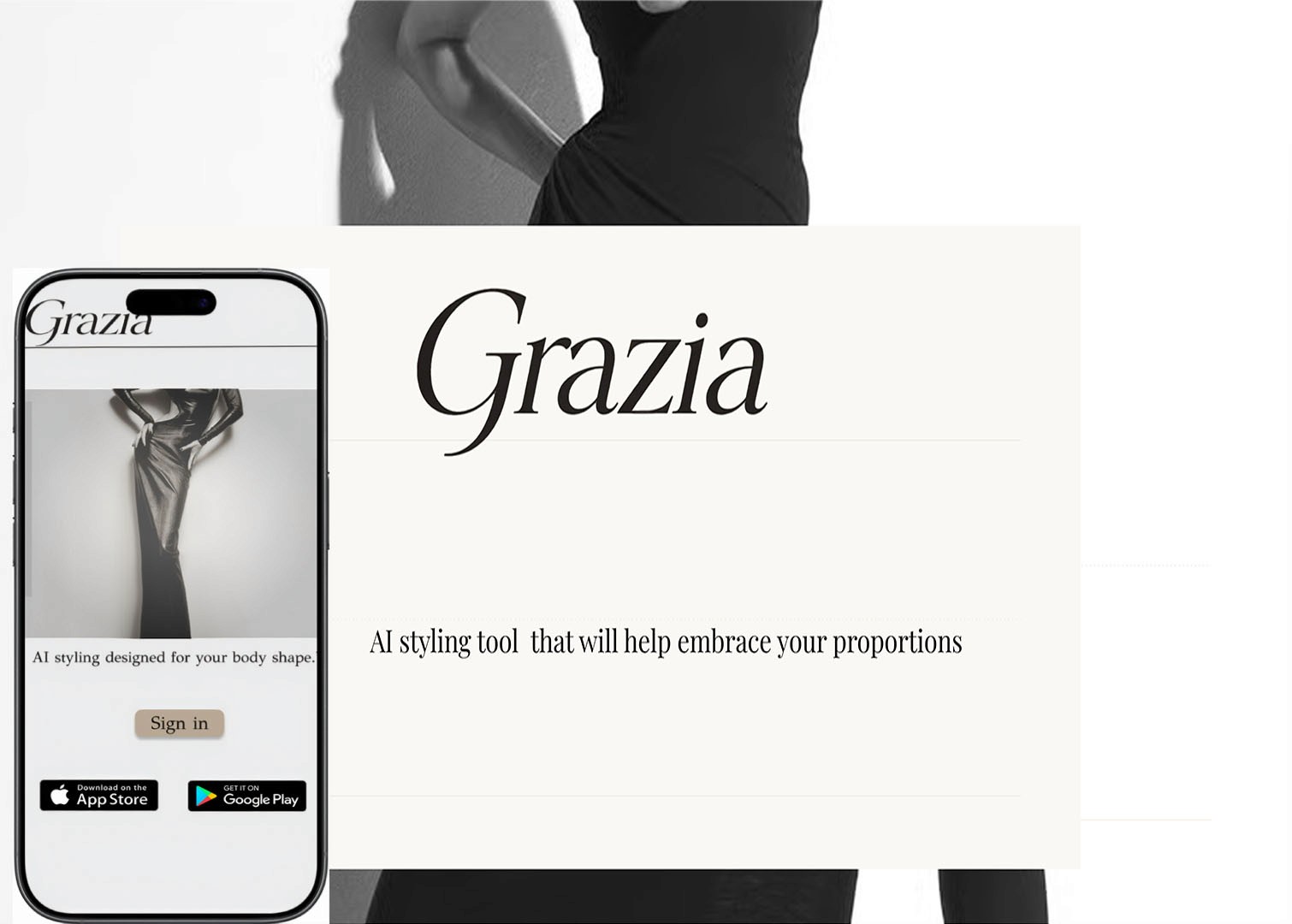
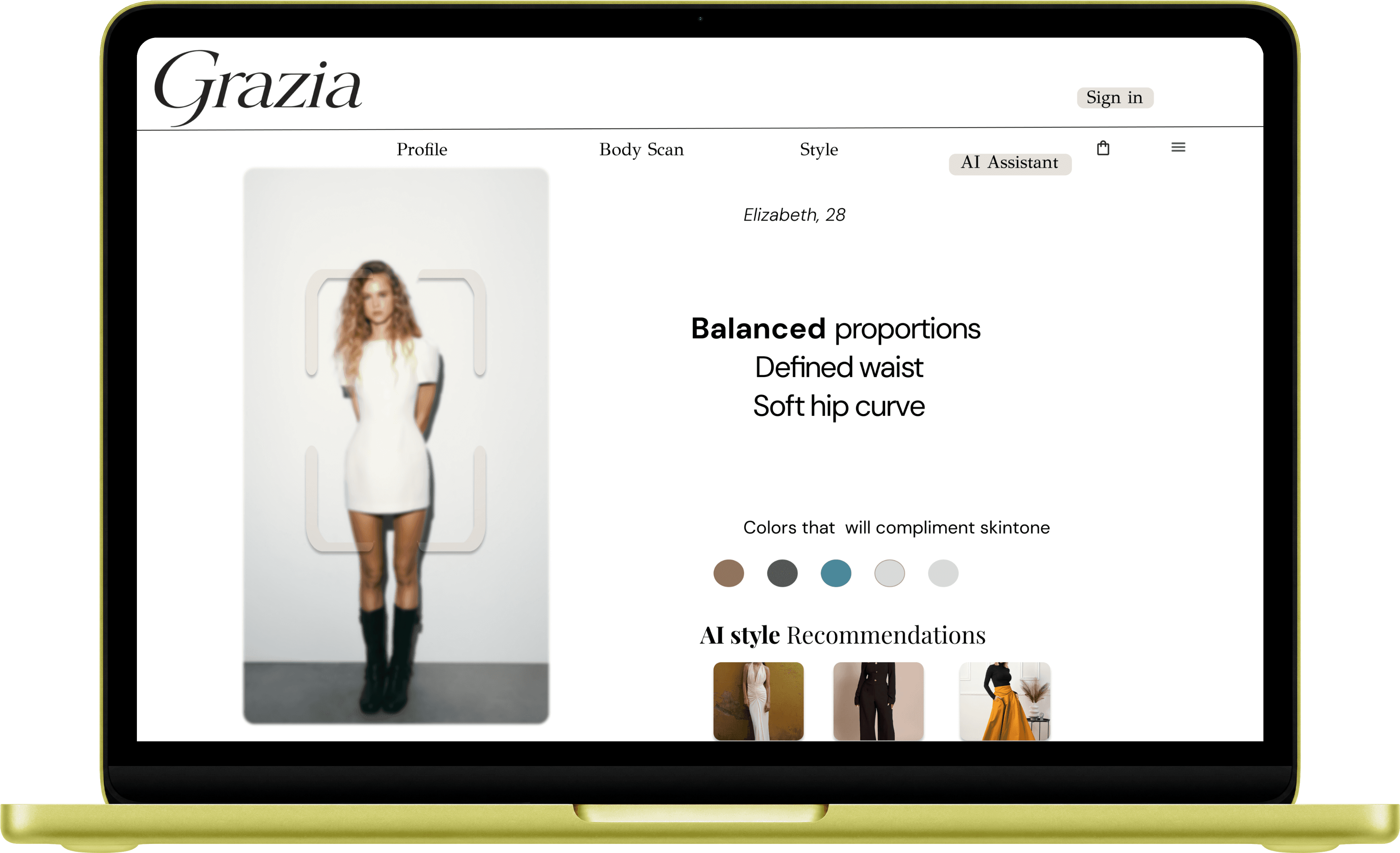
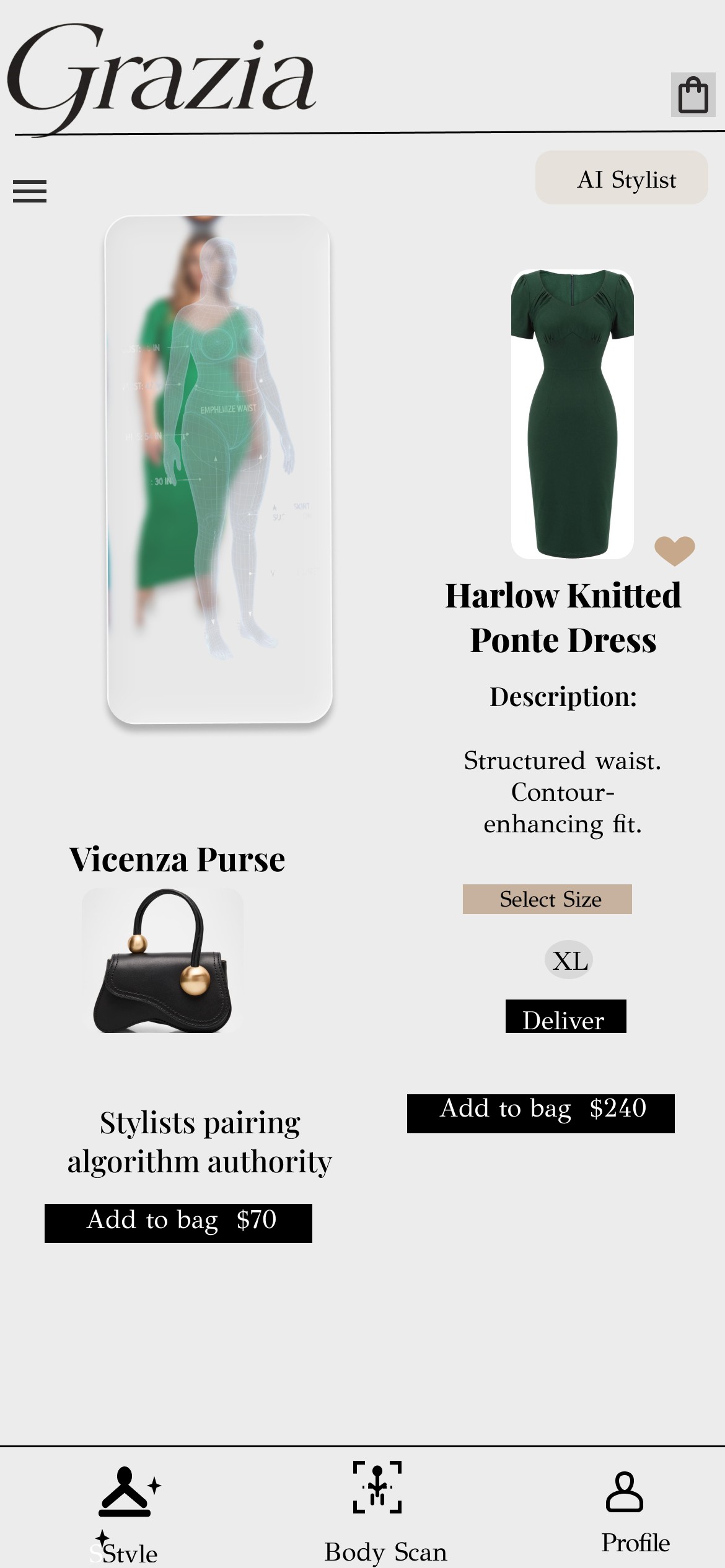
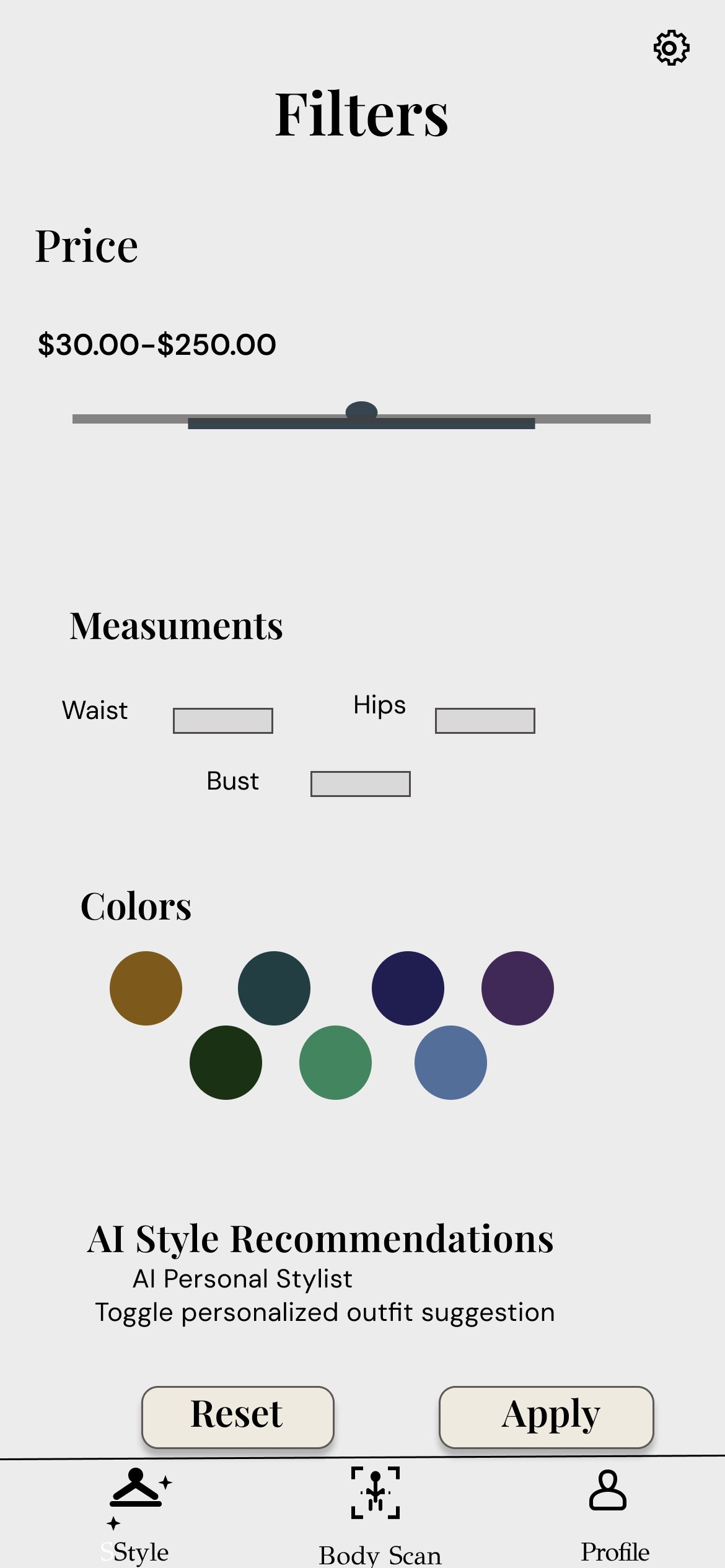
Grazia AI is an AI-powered styling app designed to help users discover outfits tailored to their body proportions.
Role: Product Designer
Duration: 2 months
Focus: UX/UI, AI-driven personalization
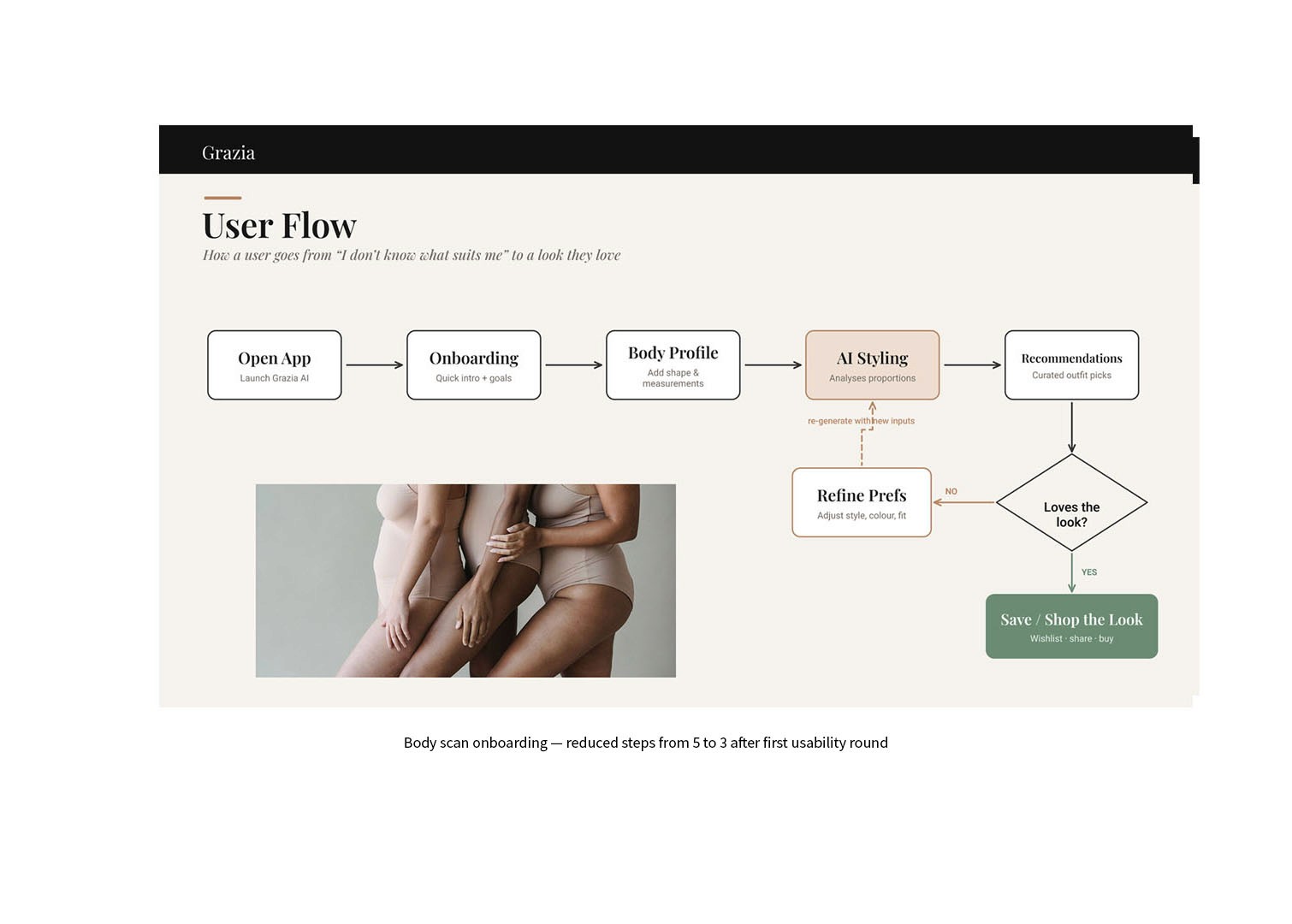
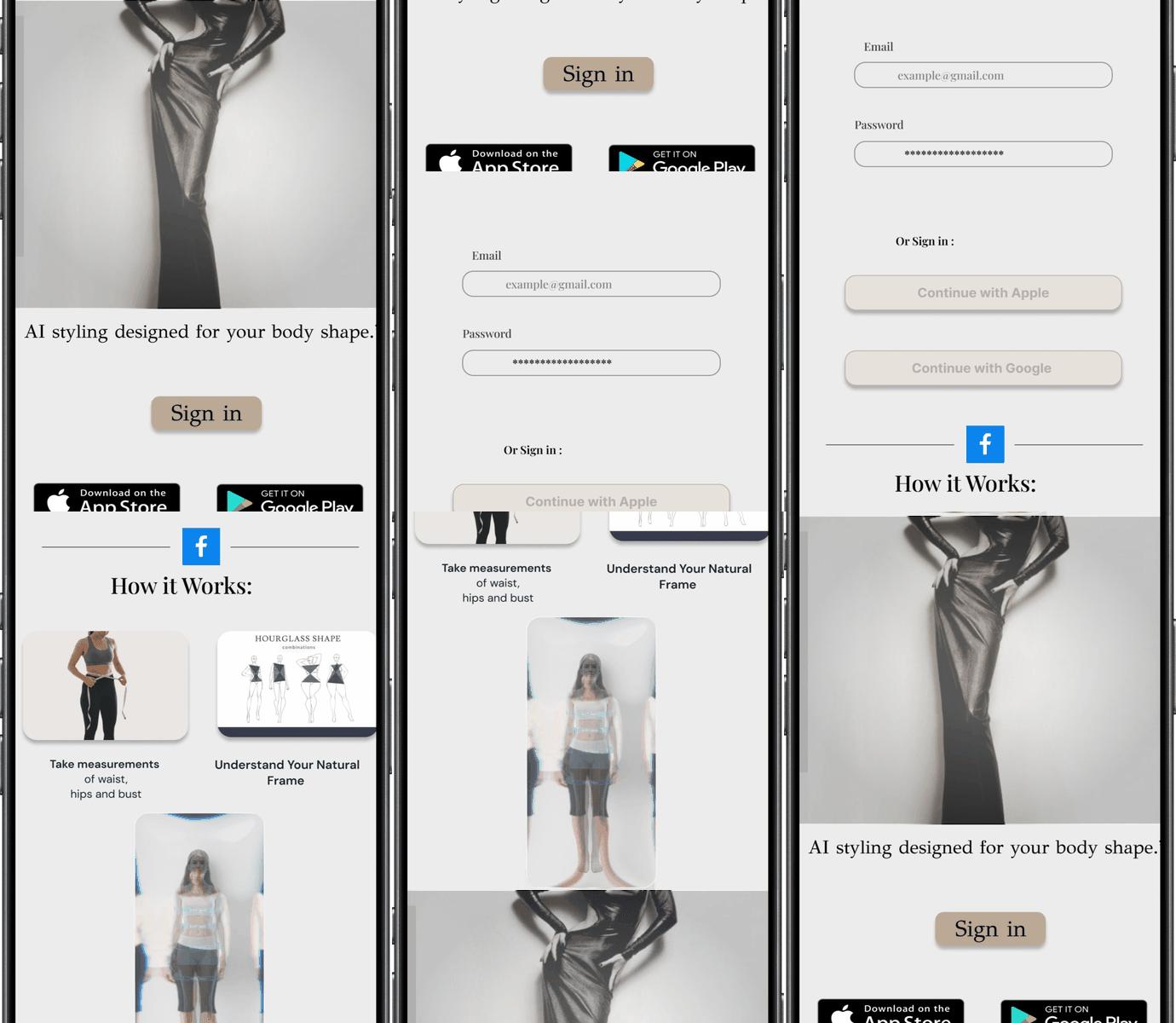
The goal was to create a more personalized and inclusive styling experience by leveraging body scanning and AI recommendations.
This project focused on redefining how users interact with fashion by making personalization more intuitive, accessible, and confidence-driven.
Results & Learnings
Usability test outcomes:
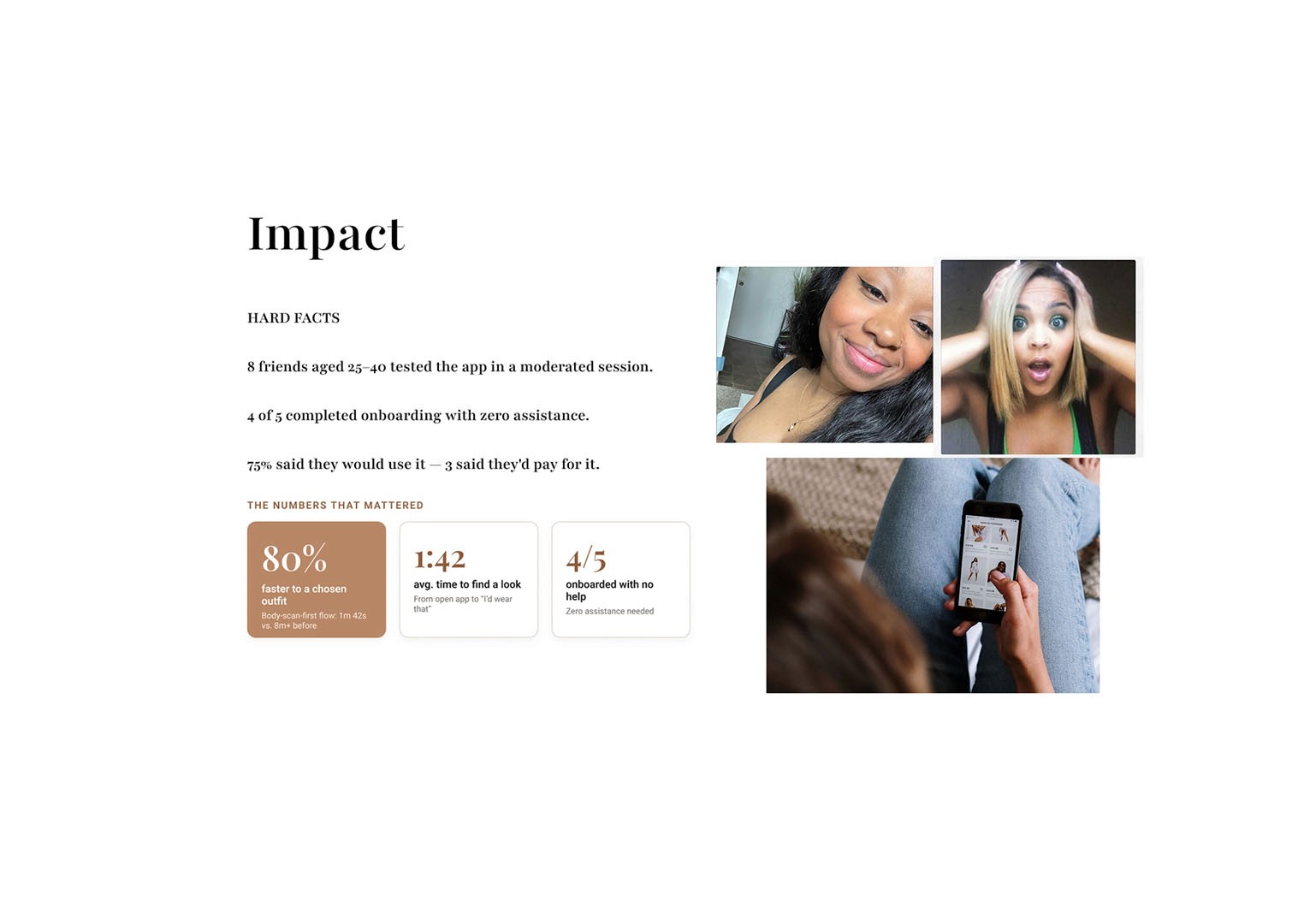
4 of 5 users completed onboarding without assistance
Average time to find a suitable outfit: 1 min 42 sec (vs. 8+ min reported on current apps)
All 5 users said they would use the app ,3 said they'd pay for it
What I learned:
Fit before fashion , leading with body scan instead of style quiz was the single biggest UX win. Users felt seen immediately rather than after the fact.
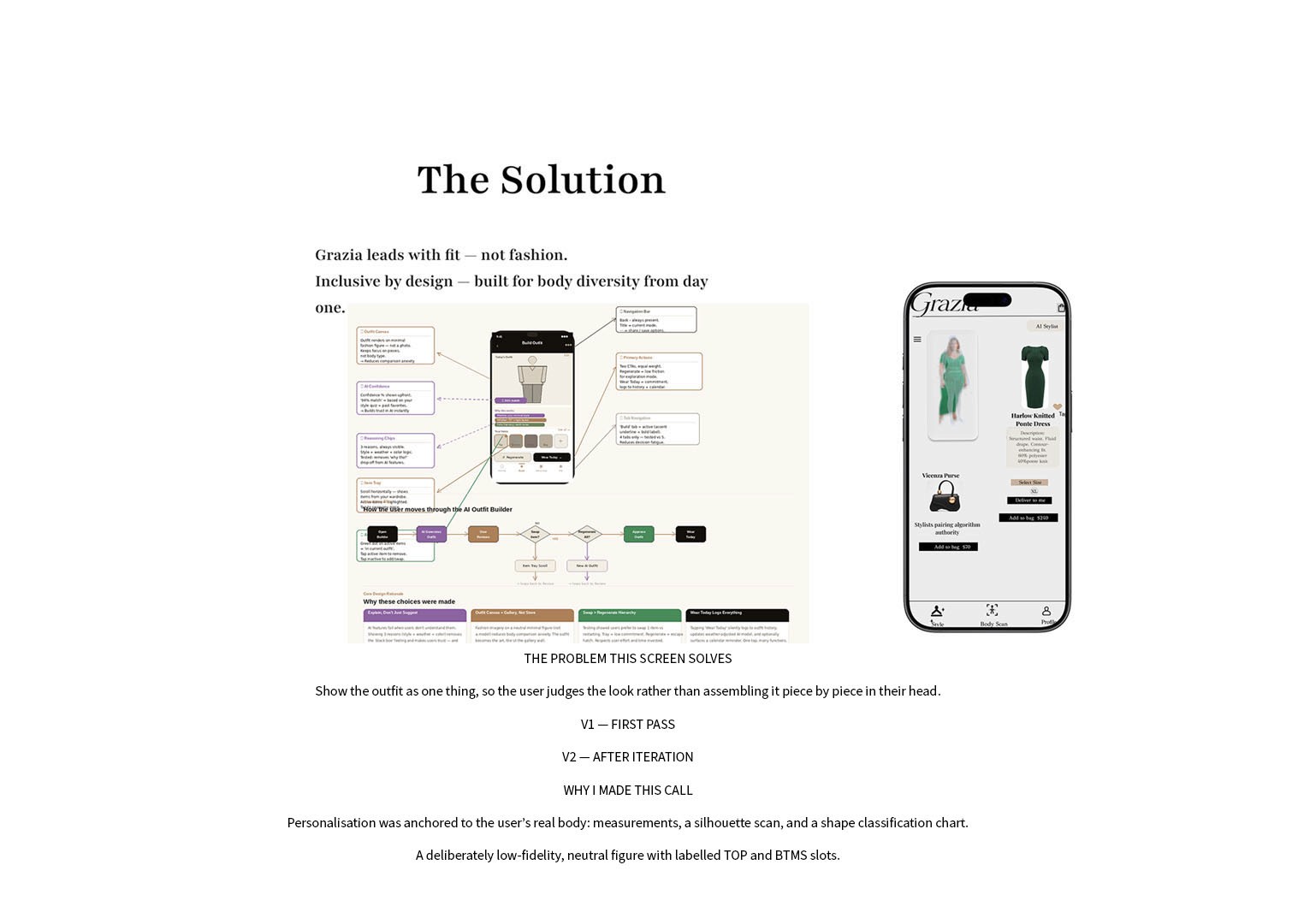
Transparency builds trust , the "Why this fits you" feature was the most praised element in testing. Users said it felt like having a knowledgeable friend, not an algorithm.
Inclusive design isn't a feature ,it's a foundation ,designing for body diversity from the first wireframe, not as an add-on, made the whole experience feel more cohesive and genuine.
If I had more time:
Conduct a second round of usability testing on the high-fi prototype
Explore AR try-on as a future feature for the outfit detail screen
Test with a broader age range (35–55) who also struggle with fit-first shopping